24/7 Emergency Roofing Service Available
Spray Foam Insulation Removal in Ashford & Canterbury
Specialist spray foam removal by experienced Kent roofers. We assess, remove, and restore your roof, providing written reports accepted by mortgage lenders, surveyors, and estate agents.
Spray foam in a Canterbury loft, and why it stops a sale
If your Canterbury property has spray foam in the loft, the problem is usually not the roof, it is the mortgage. Lenders and surveyors have taken a hard line on it, and a lot of people only find out when a buyer's survey stops the sale or a remortgage is declined. The reason is that the foam hides the timbers, so nobody can inspect the condition of the rafters underneath, and closed cell foam can trap moisture against them. Removal is hand stripping, which is slow, dirty work, and the price reflects the hours rather than the materials. What matters afterwards is the documentation: you want a report confirming the foam is out and the timbers have been inspected, because that is the thing the lender actually asks for.
A homeowner from Mersham, near Ashford, found her rafters so badly rotted they were "like a banana", her total bill came to £40,000.

Spray foam adhered directly to roof rafters, trapping moisture and causing rot beneath
What Is Spray Foam Insulation and Why Is It a Problem?
Cannot sell
Buyers can't secure a mortgage on a property with spray foam identified in a survey
Cannot remortgage
Even homeowners with no plans to move are being declined on remortgage applications
Value falls
Properties with spray foam are significantly reduced in valuation until the foam is removed
Spray foam insulation, also known as SPF (spray polyurethane foam), is a product that is sprayed into a loft or roof space, where it rapidly expands and hardens to form a solid, airtight layer. During the 2010s it was actively promoted by the UK government under schemes including the Green Homes Grant and Energy Company Obligation (ECO) as an affordable way to improve thermal efficiency and reduce energy bills. It was particularly targeted at pensioners, those on lower incomes, and owners of older properties across Canterbury, Ashford, and the wider Kent area. What was not made clear at the time, and what a government-commissioned Health and Safety Executive (HSE) report has since confirmed, is that timber roofs fundamentally need to breathe. Traditional British roof construction relies on natural airflow through the loft space to regulate moisture in the timber. When spray foam is applied, it creates an airtight seal directly against the rafters, felt underlay, and tiles. Moisture that would naturally disperse is now permanently trapped against the wood, creating the ideal conditions for rot. The HSE report found that spray foam applied without ventilation gaps can cause more than 25% timber decay within just five years. In severe cases, rafters become structurally compromised and need full replacement. Beyond the physical damage, the presence of spray foam is now widely flagged by surveyors and mortgage lenders as a serious risk factor, with major consequences for homeowners who want to sell or remortgage their Kent properties.
The Mortgage and Sale Crisis Facing Kent Homeowners
Foam Visible on Rafters
Hardened cream or yellow coating on loft timbers
Musty Loft Smell
Persistent damp or musty odour in the roof space
Damp Ceiling Patches
Water stains or damp marks on top-floor ceilings
Mortgage or Sale Blocked
Lender or surveyor has flagged the roof condition
Energy Work 2012-2022
Government-funded insulation installed in that period
Soft or Discoloured Timbers
Rafters showing signs of rot, decay, or dark patches
Even if spray foam has not yet caused visible physical damage to your roof, its presence alone is now creating serious financial problems for homeowners across Canterbury and Kent. Major mortgage lenders, including leading high street banks and building societies, are increasingly refusing to offer mortgages on properties where spray foam insulation has been identified during a survey. Surveyors are required to report its presence, and many buyers find they simply cannot secure finance on a property with spray foam in the roof. This means that if you have spray foam in your loft, you may be unable to sell your home without first having it professionally removed, or unable to remortgage at a better rate. The Property Care Association (PCA) describes this as a wave of problems affecting thousands of homeowners nationwide. In Ashford, Canterbury, Margate, Faversham, and across Kent, StoneRidge Roofing is already receiving enquiries from homeowners who have been notified by their estate agent or solicitor that a sale has fallen through because of spray foam. Acting proactively, before you try to sell or remortgage, is almost always cheaper and less stressful than discovering the problem mid-transaction.
Warning Signs Your Roof May Have Spray Foam Insulation
Free Assessment
We inspect your loft and roof timbers, assess the foam extent, and provide a clear written report, at no cost.
Safe Access
Scaffolding is erected to ensure our team can work safely and access every part of the roof properly.
Foam Removal
Specialist tools are used to carefully cut and extract every trace of hardened foam without damaging the structure.
Timber Repair
Every rafter, purlin, and wall plate is inspected. Any rotted or compromised timber is replaced with treated wood.
Roof Reinstatement
We restore the roof covering to current building standards and provide a written completion certificate for your lender.
Free Assessment
We inspect your loft and roof timbers, assess the foam extent, and provide a clear written report, at no cost.
Safe Access
Scaffolding is erected to ensure our team can work safely and access every part of the roof properly.
Foam Removal
Specialist tools are used to carefully cut and extract every trace of hardened foam without damaging the structure.
Timber Repair
Every rafter, purlin, and wall plate is inspected. Any rotted or compromised timber is replaced with treated wood.
Roof Reinstatement
We restore the roof covering to current building standards and provide a written completion certificate for your lender.
Many homeowners across Kent do not know whether they have spray foam insulation until they go into the loft, have a survey carried out, or receive a letter from a lender. Here are the key warning signs to look for. If you can access your loft space, look up at the underside of the roof. If you can see a hardened, solid foam coating, typically off-white, cream, yellow, or light grey, covering the rafters, tiles, and felt, that is spray foam insulation. The foam appears continuous and adhered directly to the roof structure. If the loft smells musty or damp, or if you can see discolouration, soft spots, or dark patches on any visible timbers, these may indicate that rot has already taken hold. Other warning signs include damp patches on internal ceilings or upper-floor walls, peeling paint or wallpaper in top-floor rooms, and condensation on windows during cold weather that has worsened since the insulation was installed. If you had any energy efficiency work done at your Kent property between 2012 and 2022, particularly if it was funded or promoted under a government scheme, it is worth checking whether spray foam was used.
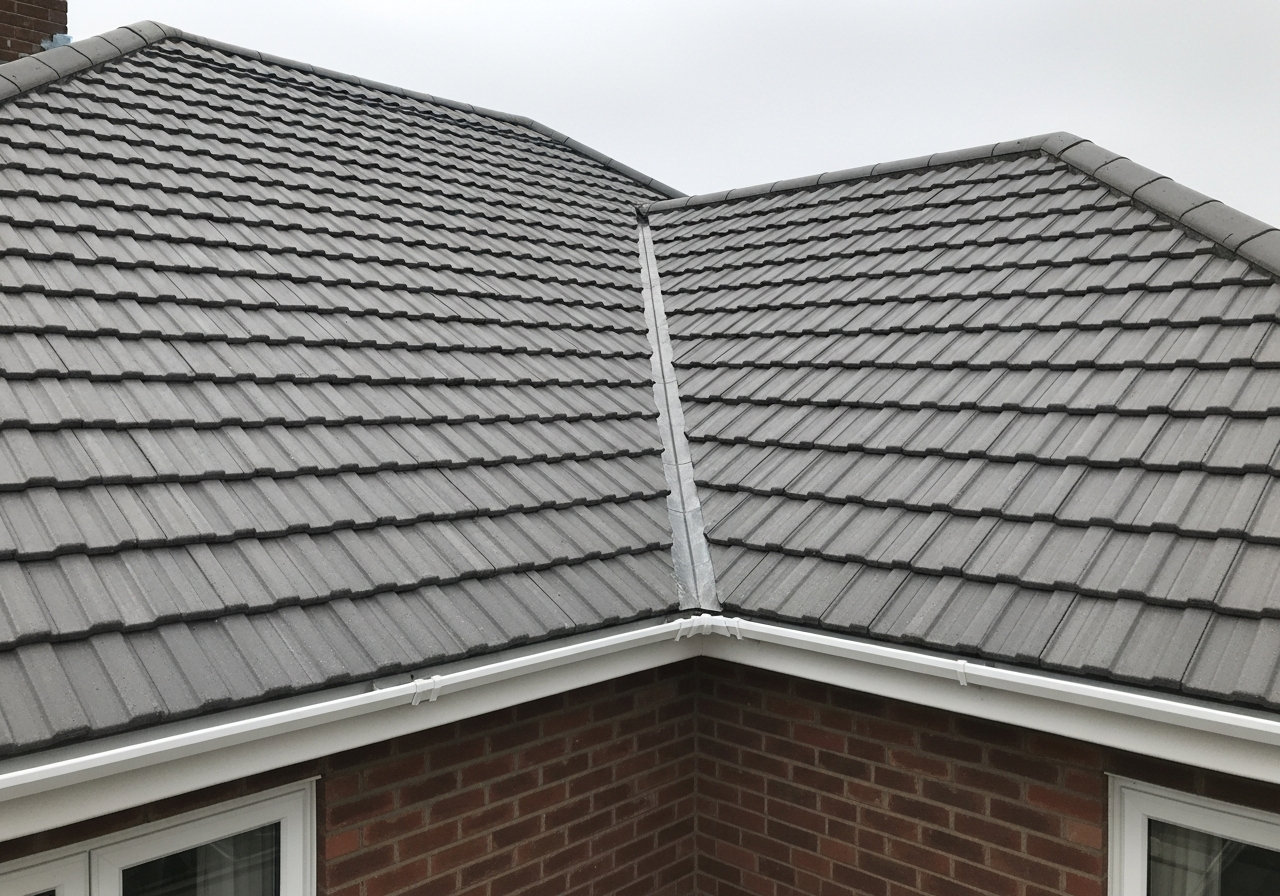
Every roof is reinstated to current building standards with full ventilation restored
Everything Covered, Including Your Lender Report
Spray foam removal is specialist work that requires experienced roofers with the right equipment, knowledge, and understanding of timber structures. StoneRidge Roofing follows a thorough, five-stage process for every spray foam removal project across Canterbury, Ashford, Margate, Faversham, Deal, Folkestone, and the surrounding Kent area. Stage one is a free, no-obligation assessment. We visit your property, inspect the loft space, assess the extent of the foam, and examine all roof timbers for signs of rot or structural damage. We provide you with a clear, honest written report detailing our findings and recommendations. Stage two is scaffolding and safe access. Stage three is specialist foam removal. Using professional tools and techniques, we carefully cut and extract the hardened foam without causing additional damage to the surrounding roof structure. Stage four is timber inspection and repair. Once the foam is removed, we carry out a detailed inspection of every rafter, purlin, ridge board, and wall plate. Any timbers that have suffered rot or decay are cut out and replaced with sound, treated timber. Stage five is roof reinstatement. If the foam or the removal process has disturbed tiles, felt, or battens, we reinstate the roof covering to current building standards. We then provide a written completion certificate that confirms the roof has been professionally restored, accepted by mortgage lenders, surveyors, and estate agents.
Why Choose StoneRidge Roofing
15-Year Guarantee
Every removal and reinstatement project backed by our comprehensive workmanship guarantee
5-Star Reviews
Consistently rated 5 stars by homeowners across Canterbury, Ashford, and Kent
Fully Insured
Full public liability and professional indemnity insurance on every project
Local Expertise
Deep knowledge of Kent property types, planning requirements, and mortgage lender needs